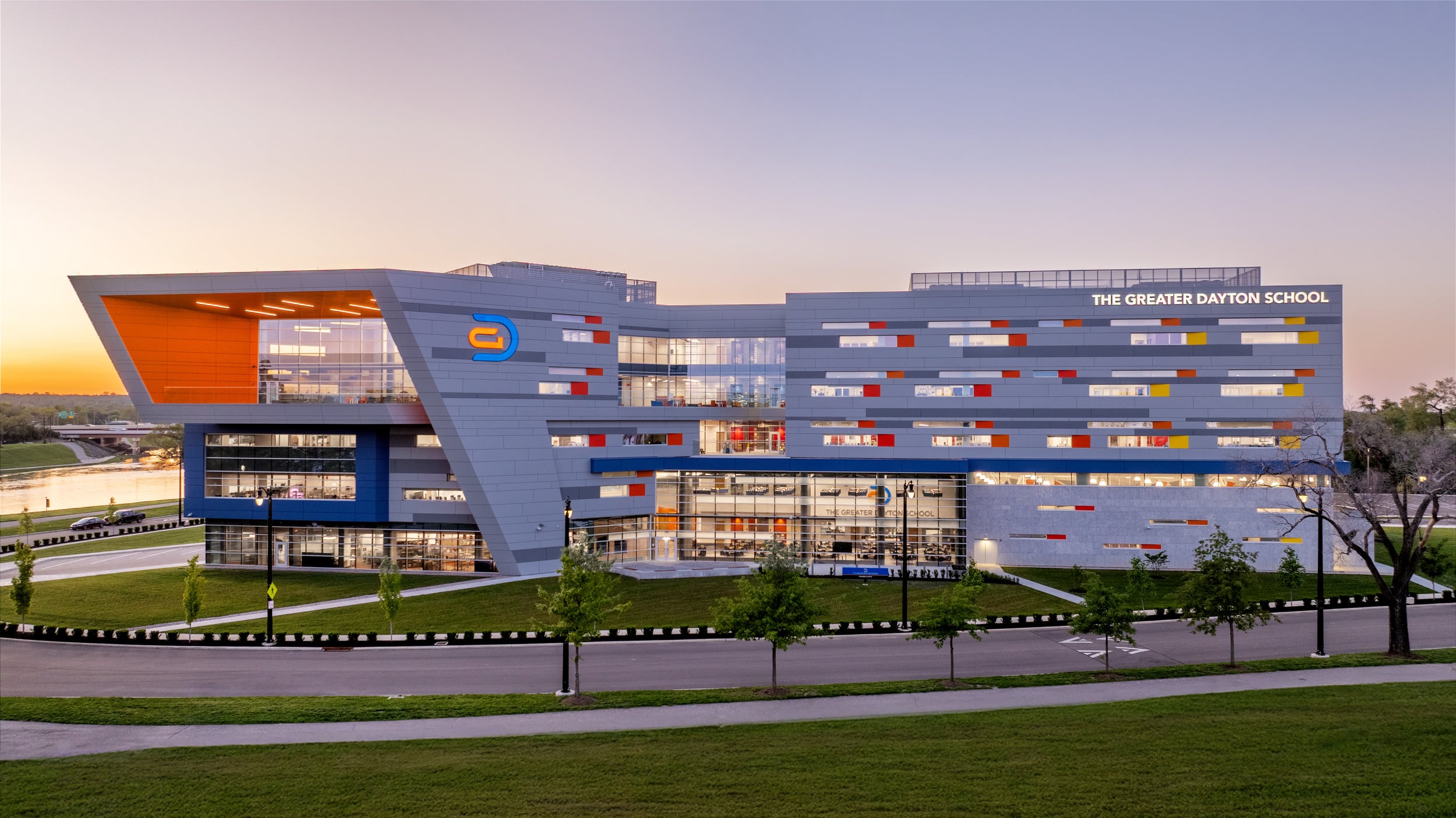
Ohio’s first private, non-religious school, designed for under-resourced students.
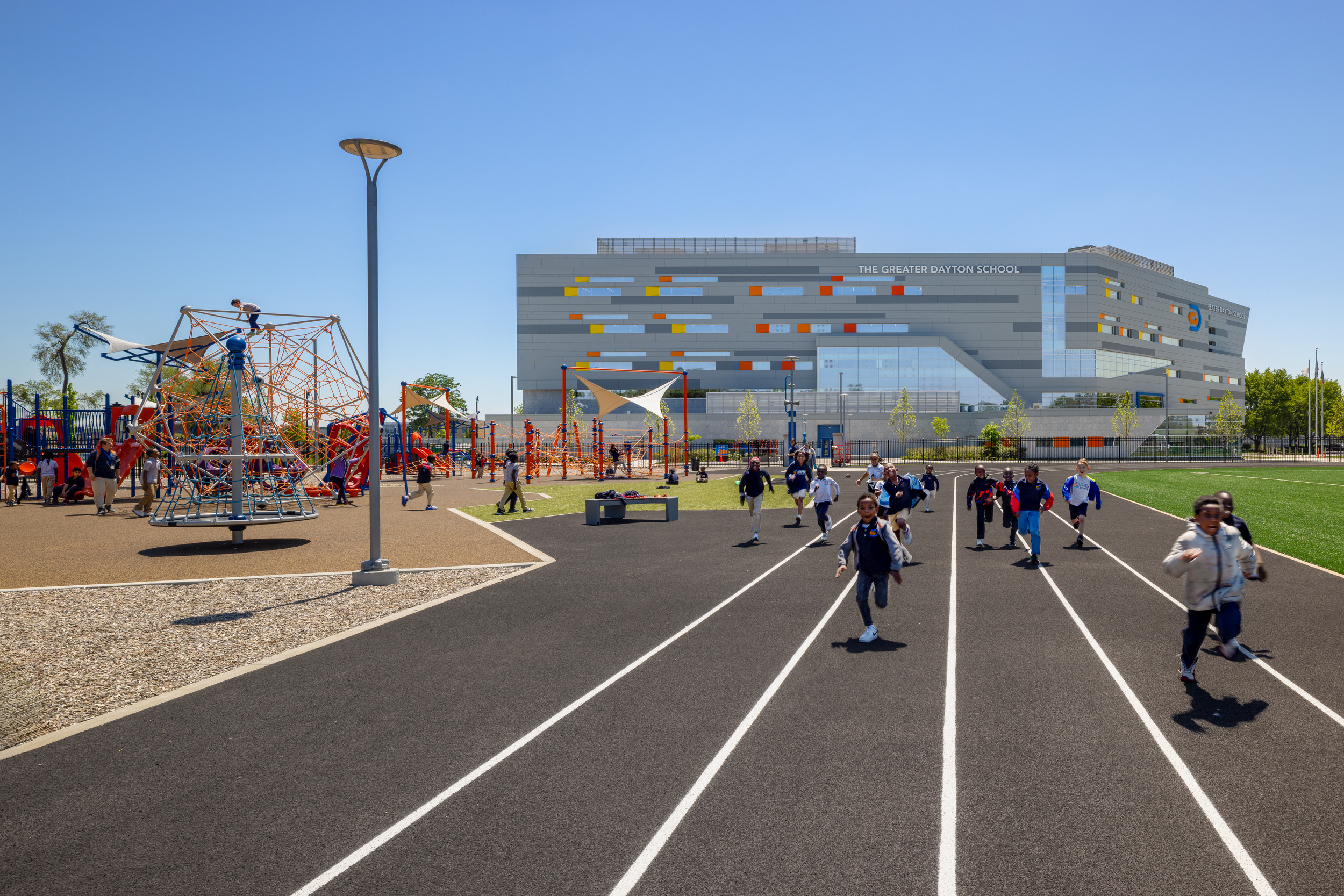
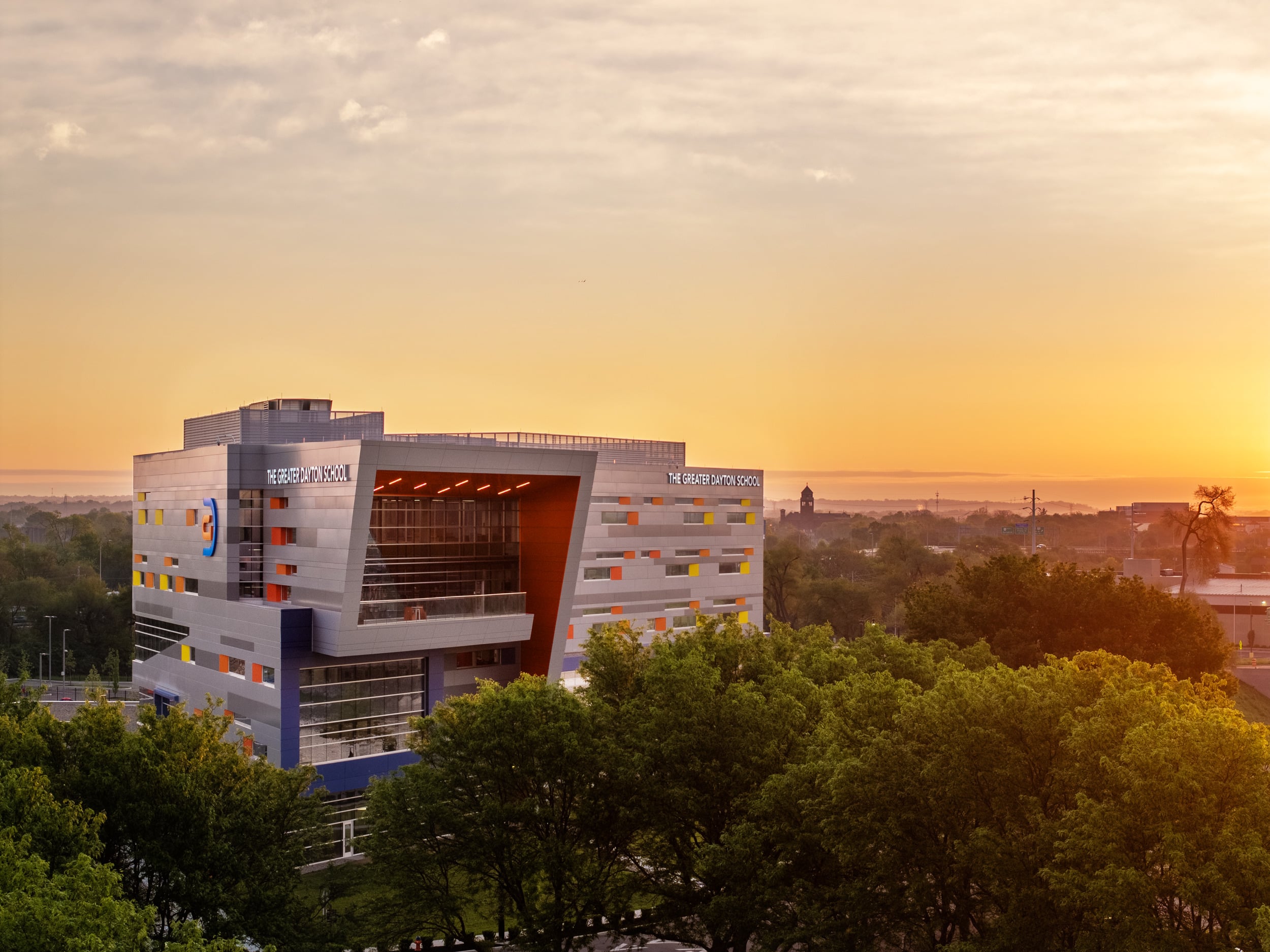
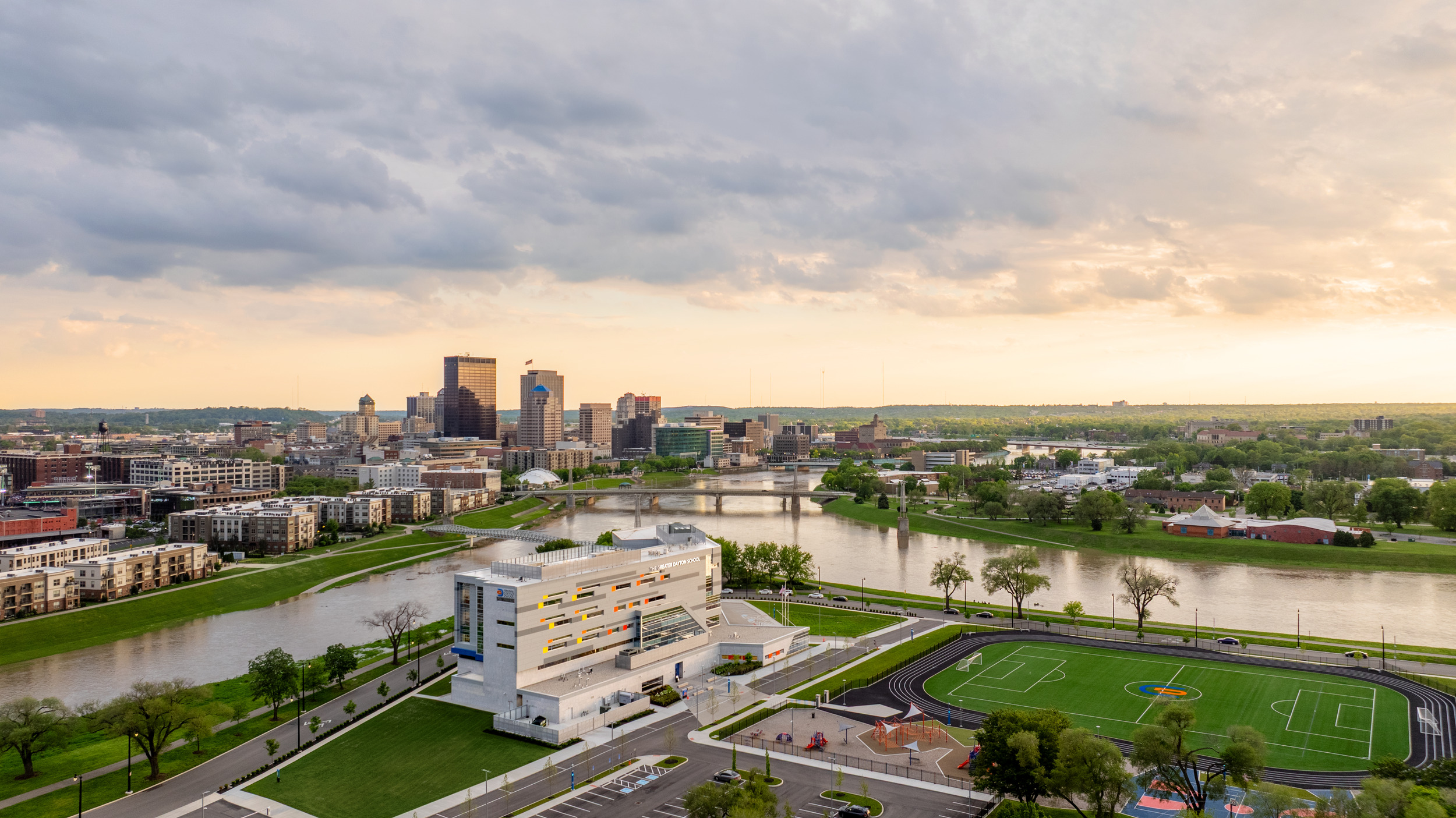
Perched at the confluence of the Great Miami and Mad Rivers, just across from downtown Dayton, The Greater Dayton School physically and symbolically anchors its community.
Closing the gap
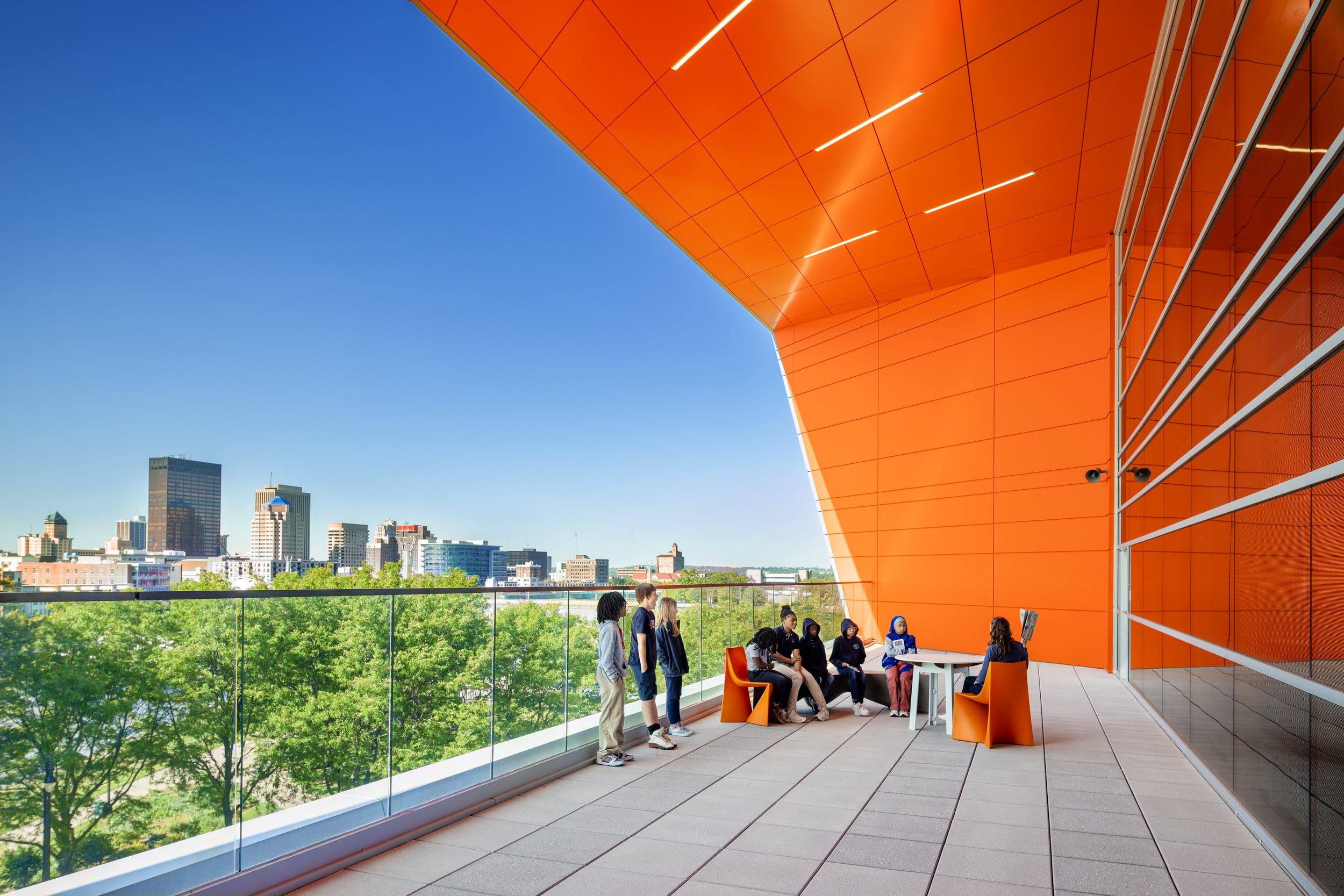
America’s achievement gap pertains to more than just academic results, as children from low-income households are less likely to receive adequate mental and physical health support.
The educational model centers on holistic wellbeing, with an onsite wellness clinic—run in partnership with Dayton Children’s Hospital—that provides integrated care: pediatric, dental, mental health, vision, speech, and occupational therapy services are all accessible on-site. These services are seamlessly scheduled and coordinated, dramatically reducing barriers to care.
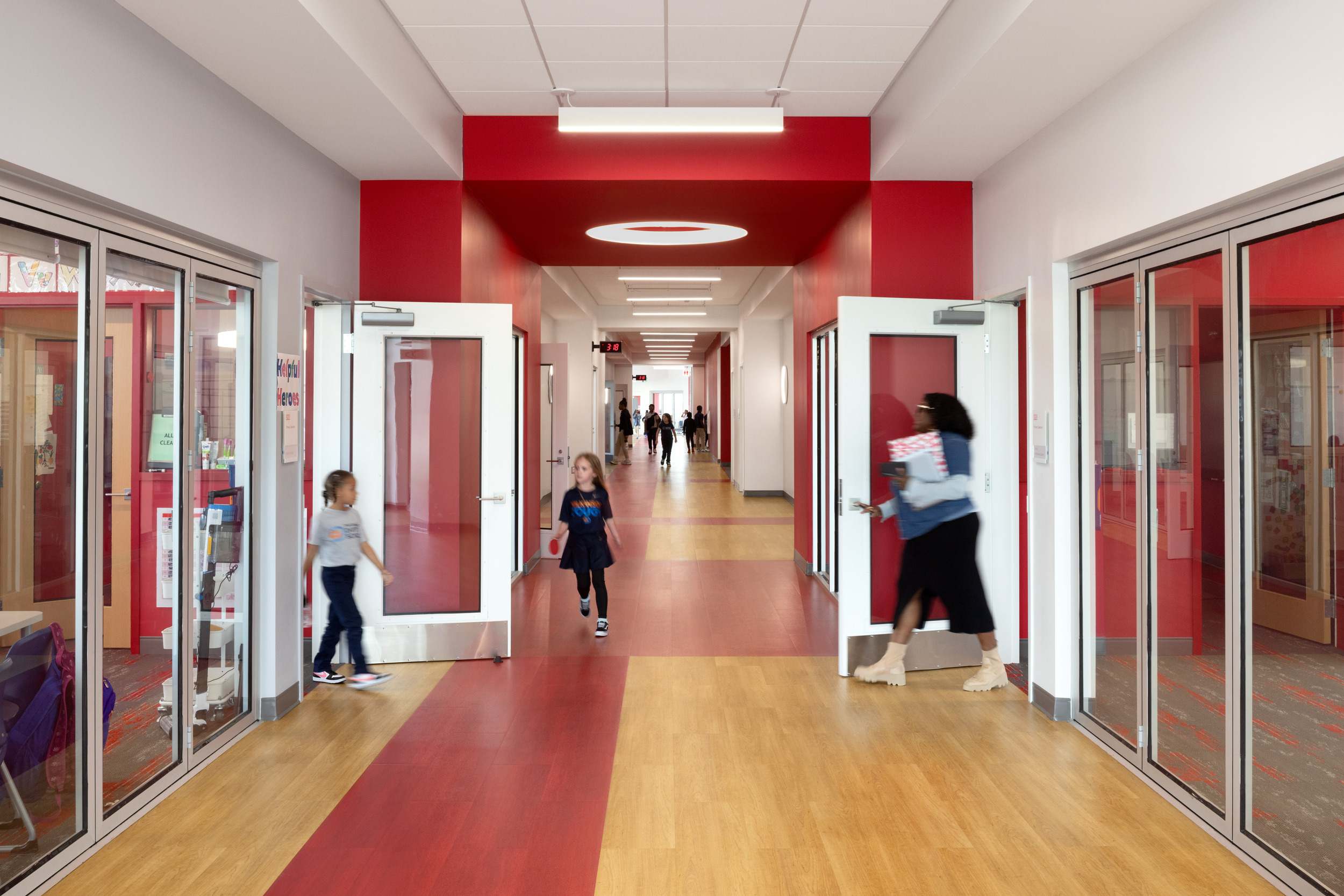
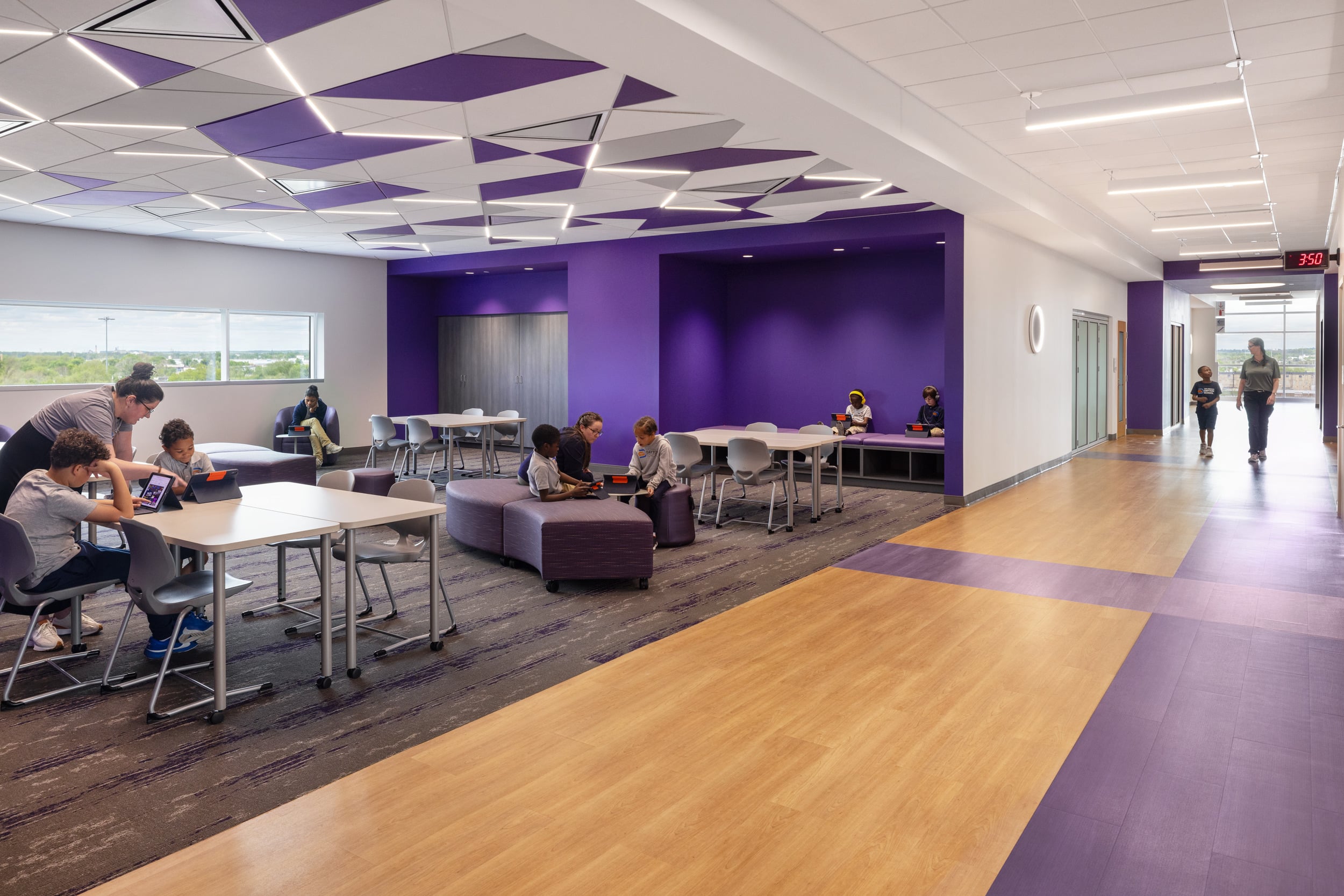
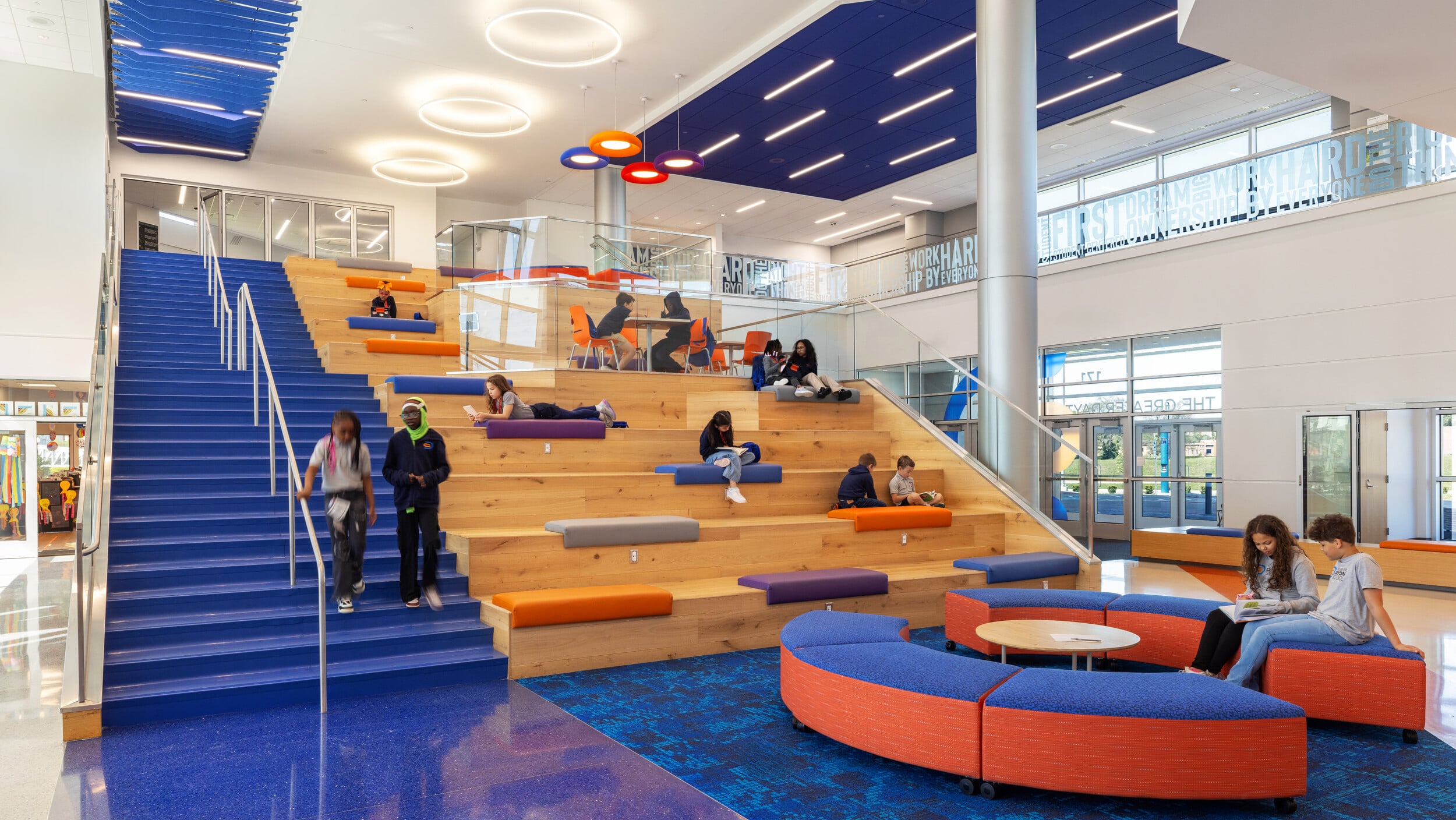
Whole child cirriculum
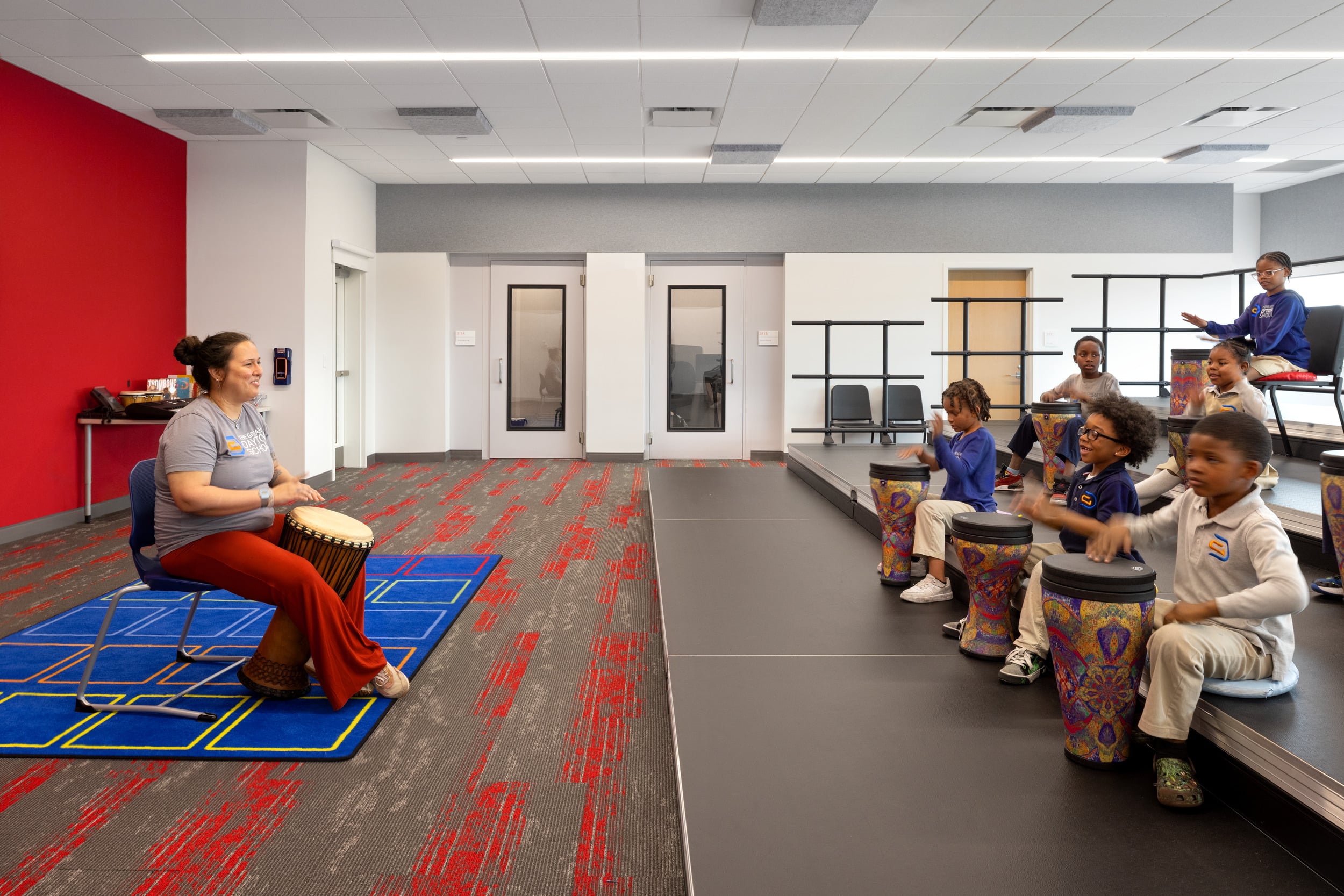
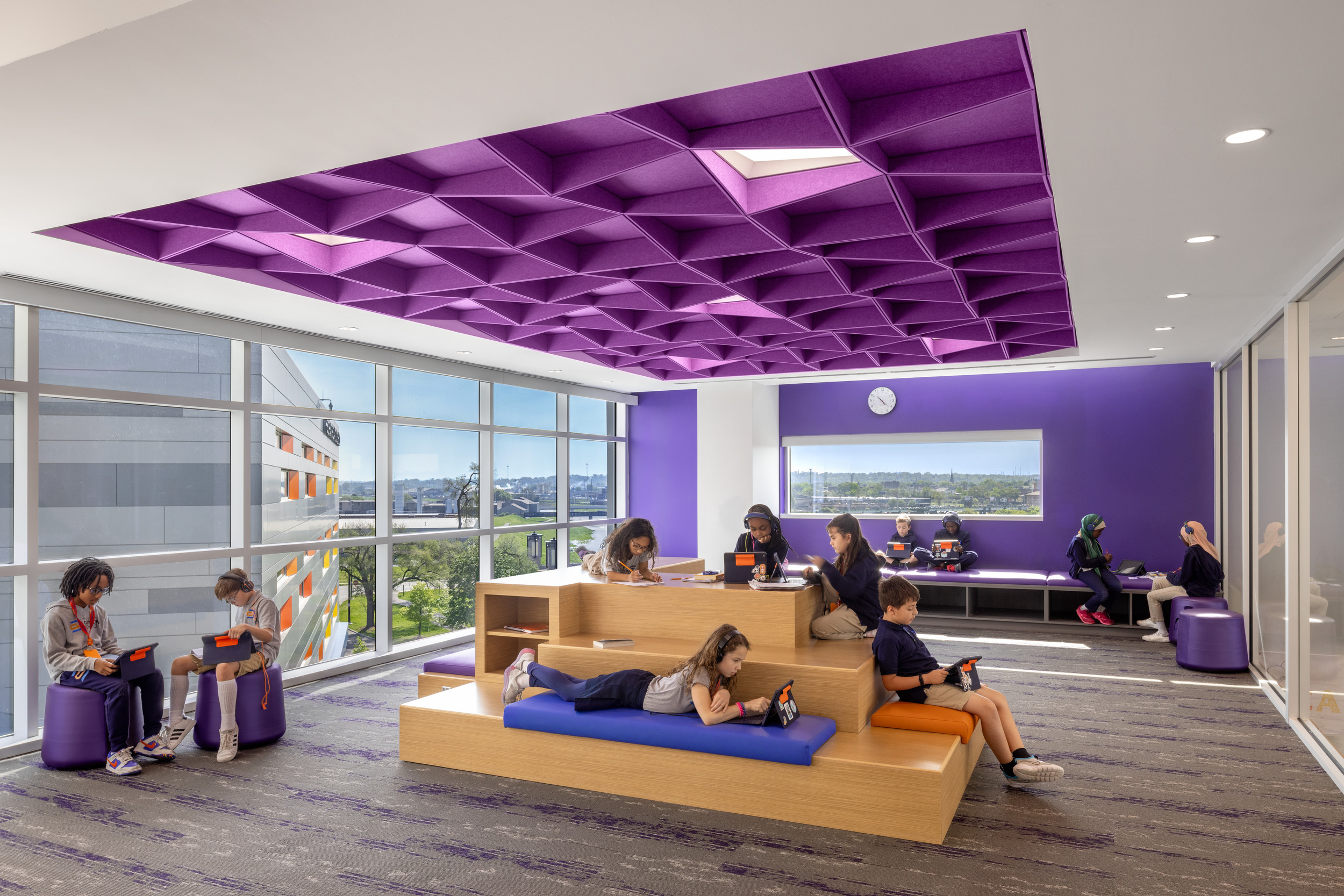
Built around personalized instruction, low student-teacher ratios, multi-age classrooms, and long school days, GDS focuses on long-term success rather than standardized metrics.
Within the first year, students boosted test scores from the 35th to the 57th percentile nationally—closing the income achievement gap. In math and reading, kindergartners who started below grade level finished the year substantially above expectations, with 20% outperforming by a full grade level.