Building on Title IX: Designing the Next Era of Girls’ and Women’s Athletic Facilities
On June 23, 1972, President Richard Nixon signed Title IX into law requiring federally funded educational institutions to provide equal opportunities regardless of sex. While Title IX is synonymous with sports today, the original statute didn’t mention athletics, even though women and girls were virtually excluded from most athletic opportunities in schools. At the time of its passage, girls accounted for just 7% of high school athletes, women received only 2% of collegiate athletic budgets, and athletic scholarships for women were virtually nonexistent.
It wasn’t until 1975 that the Department of Health, Education, and Welfare extended Title IX’s sex-based protections to sports. Under the updated regulations, schools were legally obligated to provide equal athletic opportunities, including participation, scholarships, coaching, equipment, travel, and medical support. By 1979, new federal guidelines mandated that the spaces supporting athletics—locker rooms, practice facilities, competition venues, even housing and dining—were to be “equivalent” for male and female athletes. But what qualified as equivalent remained largely undefined.
An institution could satisfy Title IX’s requirement of equivalent accommodation by providing women with access to a locker room, a weight room, and a training space. The problem was that equivalence was always measured against an existing standard, and that standard was designed and built around the male athletes. Nowhere did the governing documents address whether those rooms were sized correctly for female athletes, designed for privacy, positioned conveniently, or built around the physical realities of their training and competition experience.
The impact of Title IX on athletic opportunity for girls and women can’t be overstated. Over eleven times as many high school girls participate in sports compared to 1972, and more than seven times as many women compete in college athletics. Still, those gains haven’t closed the participation gap. By age 14, girls leave sports at twice the rate of boys, and they still have 1.3 million fewer roster spots than their male counterparts. The design of athletic facilities and spaces can and should be part of changing the current reality. A well-designed facility can make athletics for girls more visible, better supported, and worthy of continued investment, helping increase participation and retention.
Equity in Practice
Designing for an equal athlete experience requires dismantling a physical environment historically built around men. It requires moving past a “one-size-fits-all” framework—which defaulted to male biometrics, schedules, and training needs—to evaluate how a facility impacts female athletes daily. The layout of locker rooms, the safety of circulation routes, the adequacy of training spaces, and the visibility given to a team all dictate how supported athletes feel. When these factors serve as design criteria from the start, equity is embedded directly into the facility and the athlete’s experience.
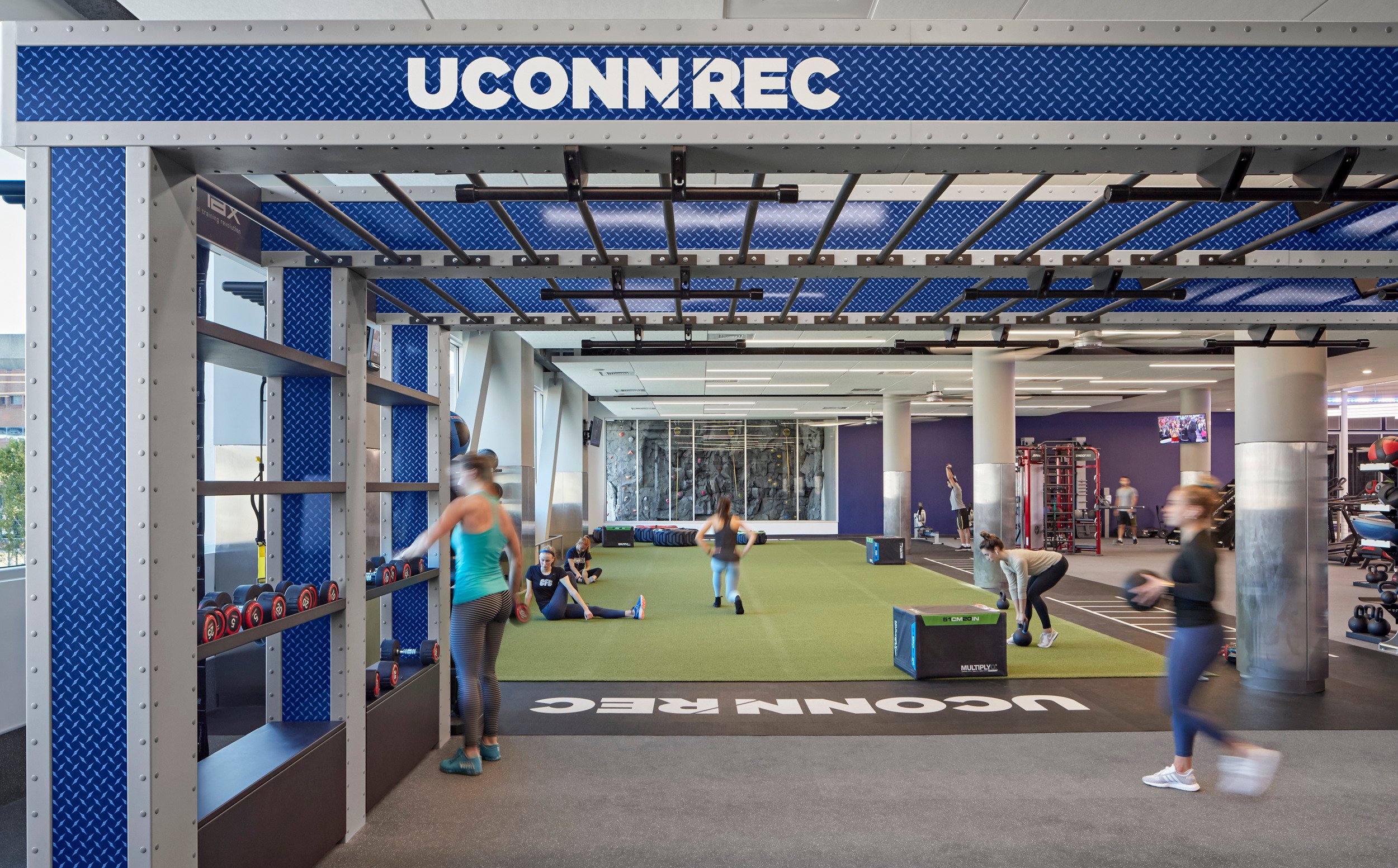
Tailored Training and Recovery Spaces
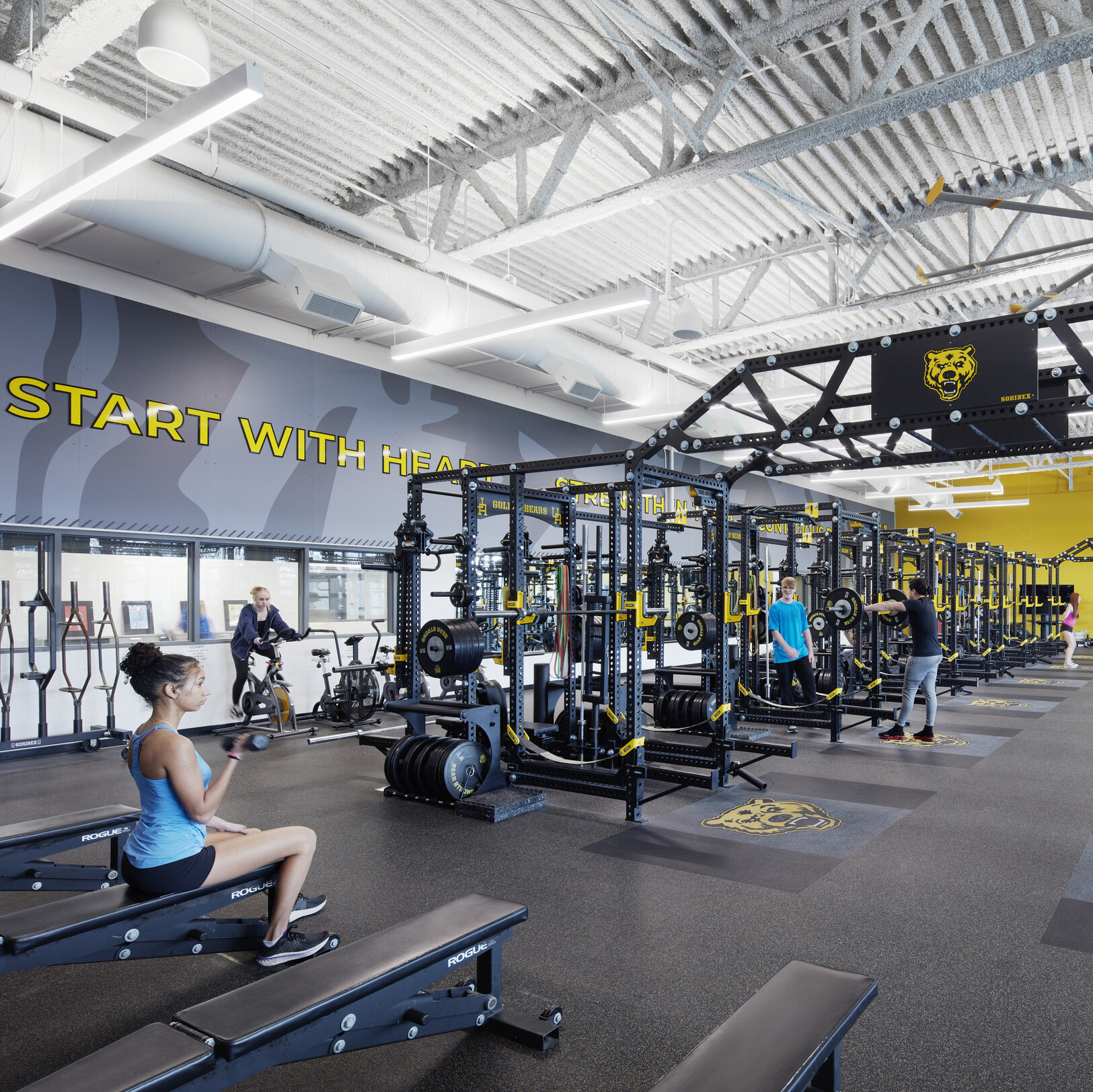
According to sports medicine researchers at the University of California, San Francisco, female athletes face elevated risk for certain injuries, including ACL tears, and benefit from prevention strategies tailored to their biomechanical needs. Weight rooms designed to support strength, landing-mechanics, and neuromuscular training, along with sports medicine areas designed to accommodate female-specific recovery can help athletic facilities better address performance, injury prevention, and long-term athlete health.
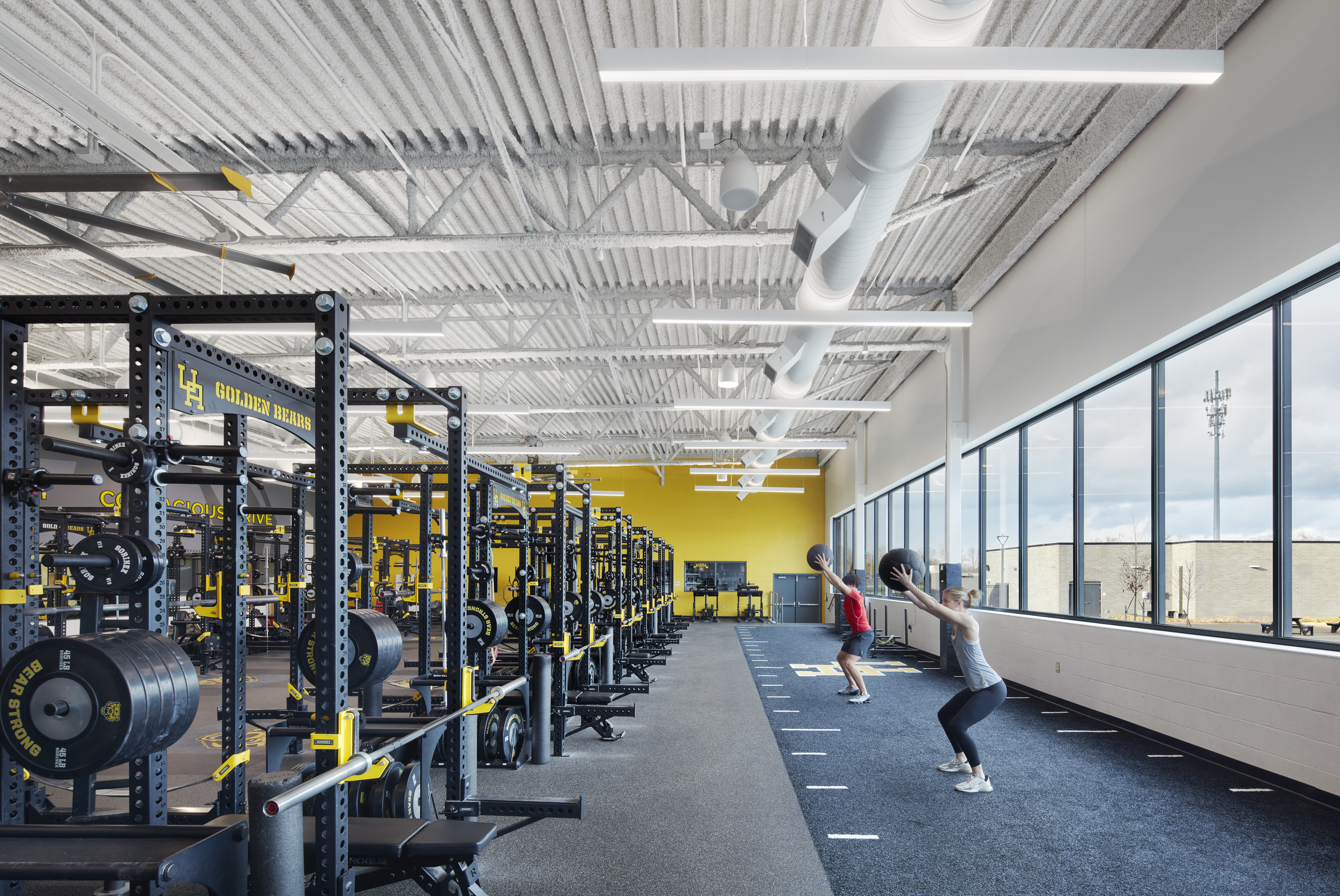
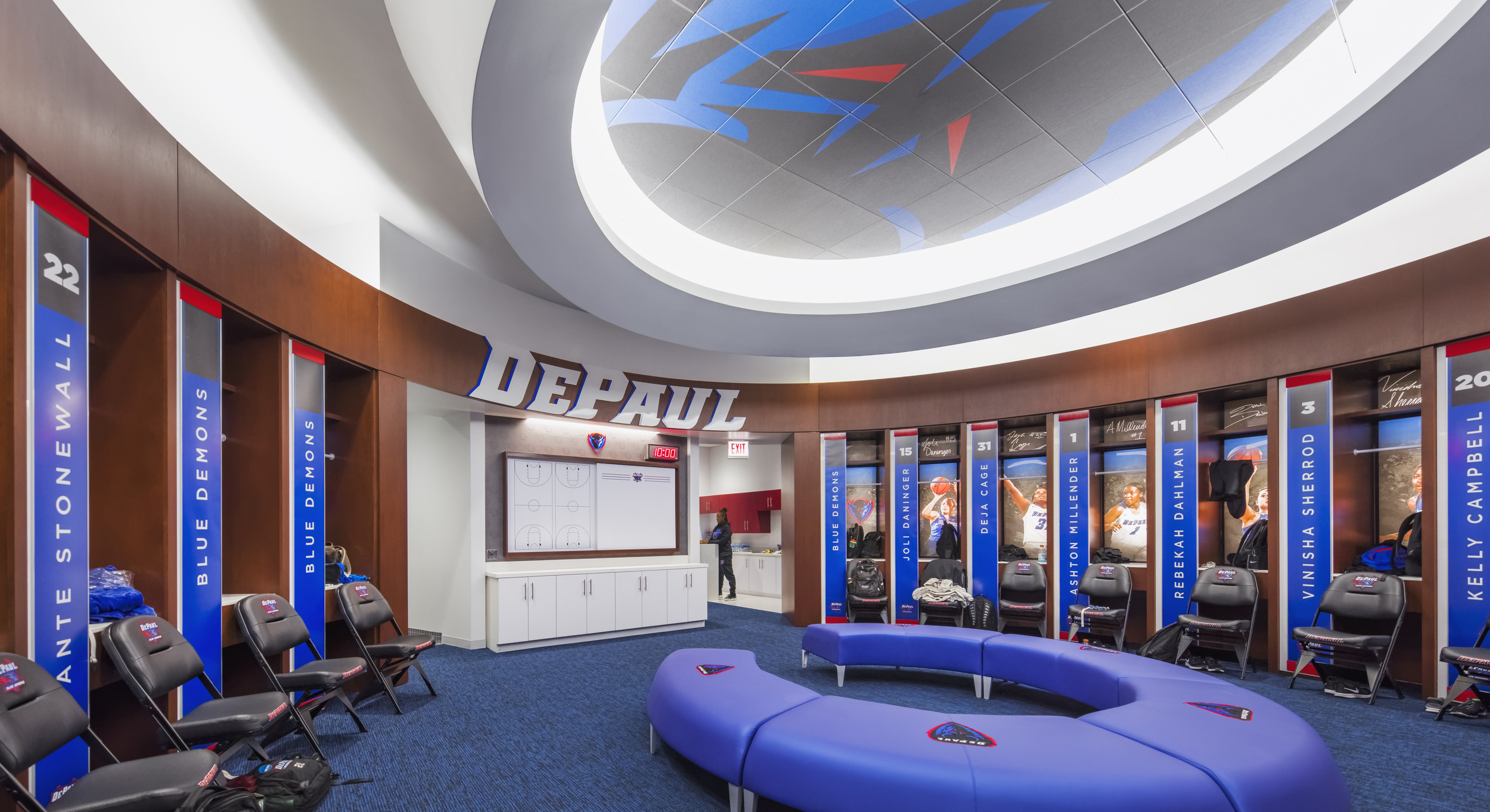
Locker rooms are one of the clearest places where equal access has often fallen short of equitable design. Many women’s locker rooms were converted or adapted after the fact rather than planned as purpose-built spaces, resulting in less square footage and fewer fixtures within layouts unable to fully support athletes’ needs. A comfortable locker room should offer a range of privacy, from individual changing and shower areas to shared team zones, so athletes can feel comfortable before and after practice, during competition, and throughout the school day.
Safety
For many female athletes, the route between fields, training facilities, locker rooms, and parking areas can shape whether a space feels supportive or exposed. Studying these paths as part of the larger athletic environment—with attention to visibility, lighting, and access control—can reduce perceived vulnerability, particularly during early-morning or late-evening hours when athletes and staff are more likely to be alone.
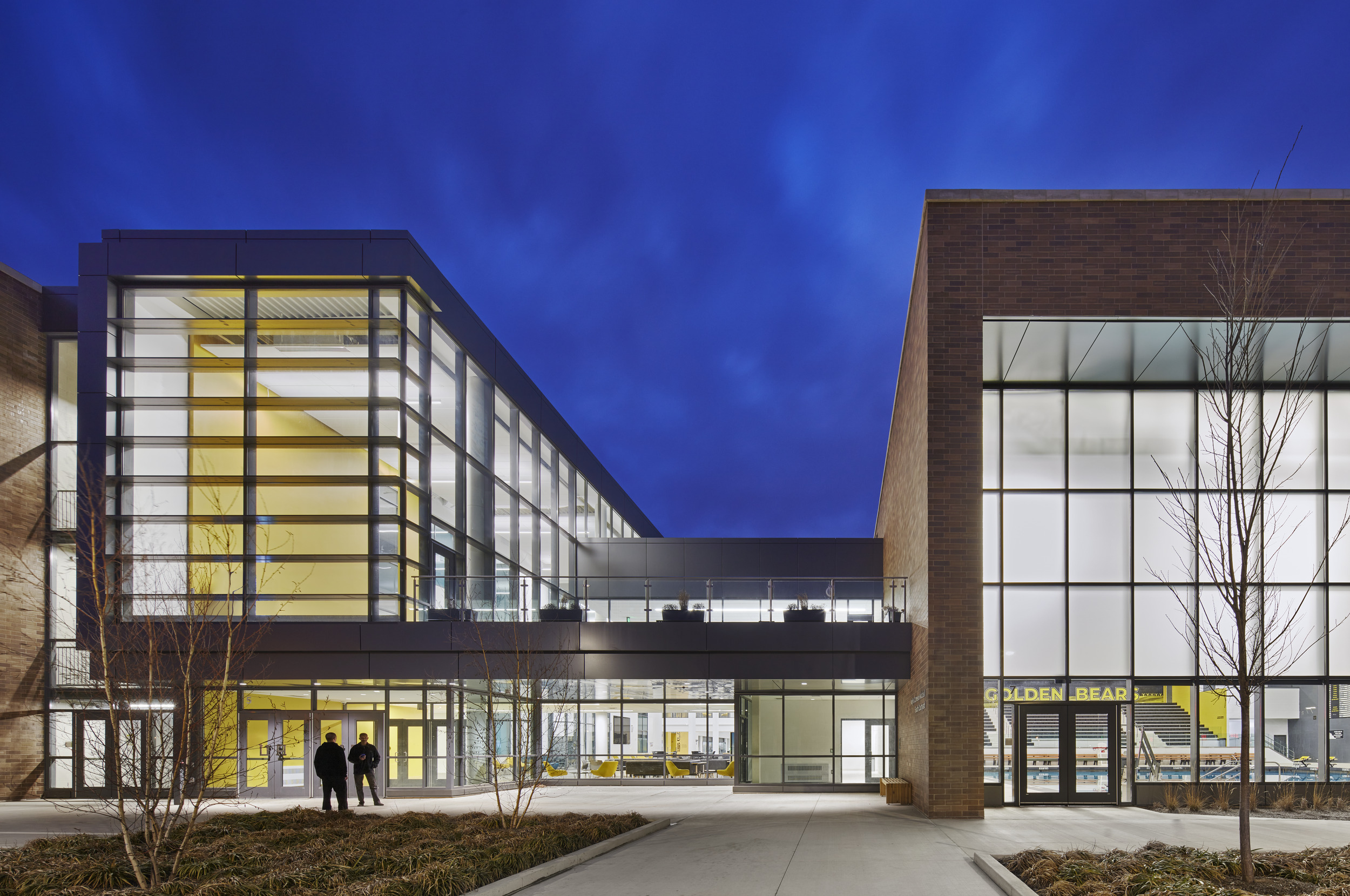
Identity and Belonging
Equitable athletic spaces communicate value as clearly as they provide function. Where trophies, historical photography, records, and team imagery live within a facility can signal whose achievements are central to the athletic community. A championship banner in the main concourse tells a different story than one placed in a secondary hallway. Visibility turns history into a shared point of pride, reminding current athletes and recruits about which achievements—and which athletes—an institution chooses to celebrate.
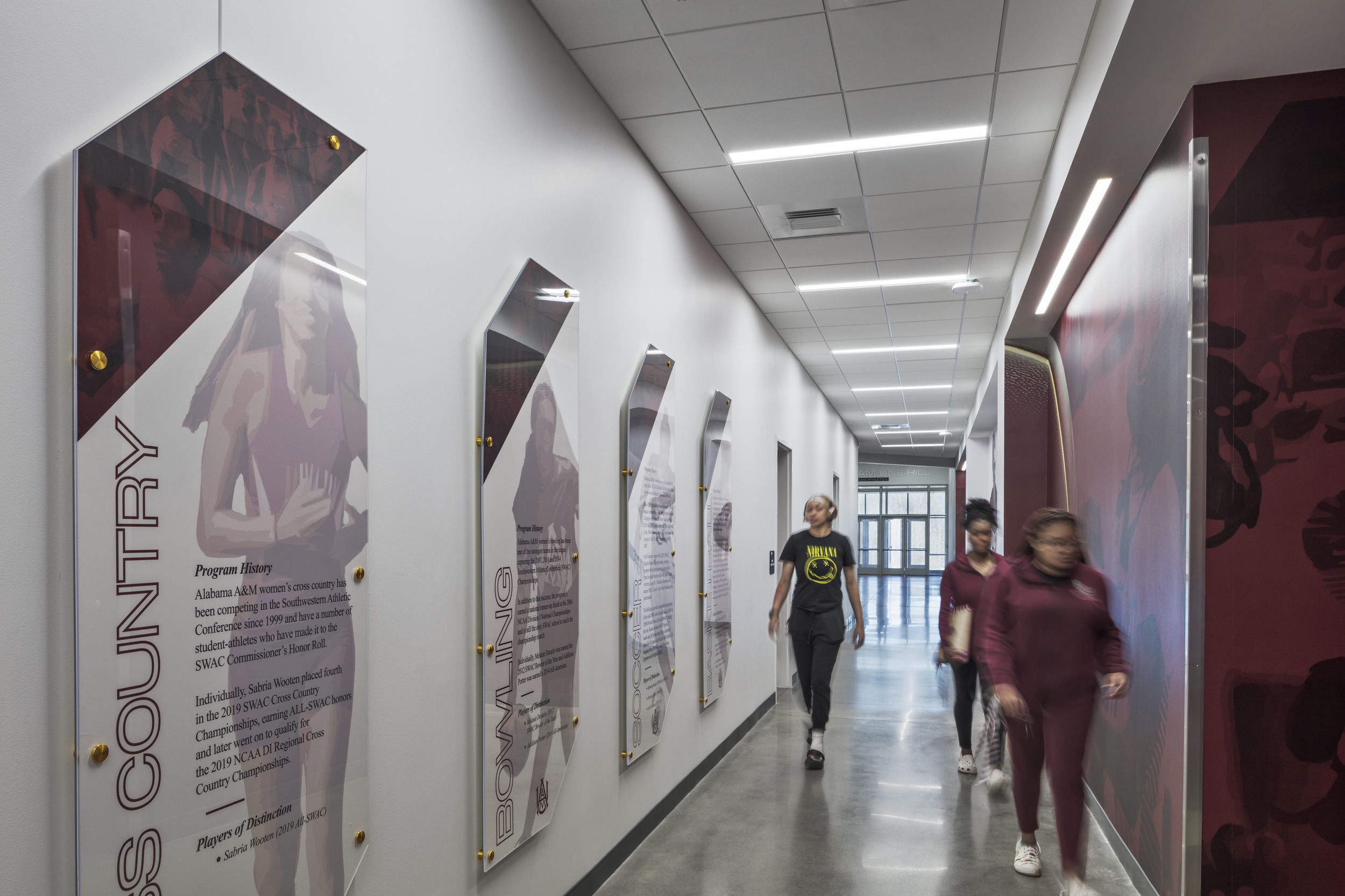
Fan Experience
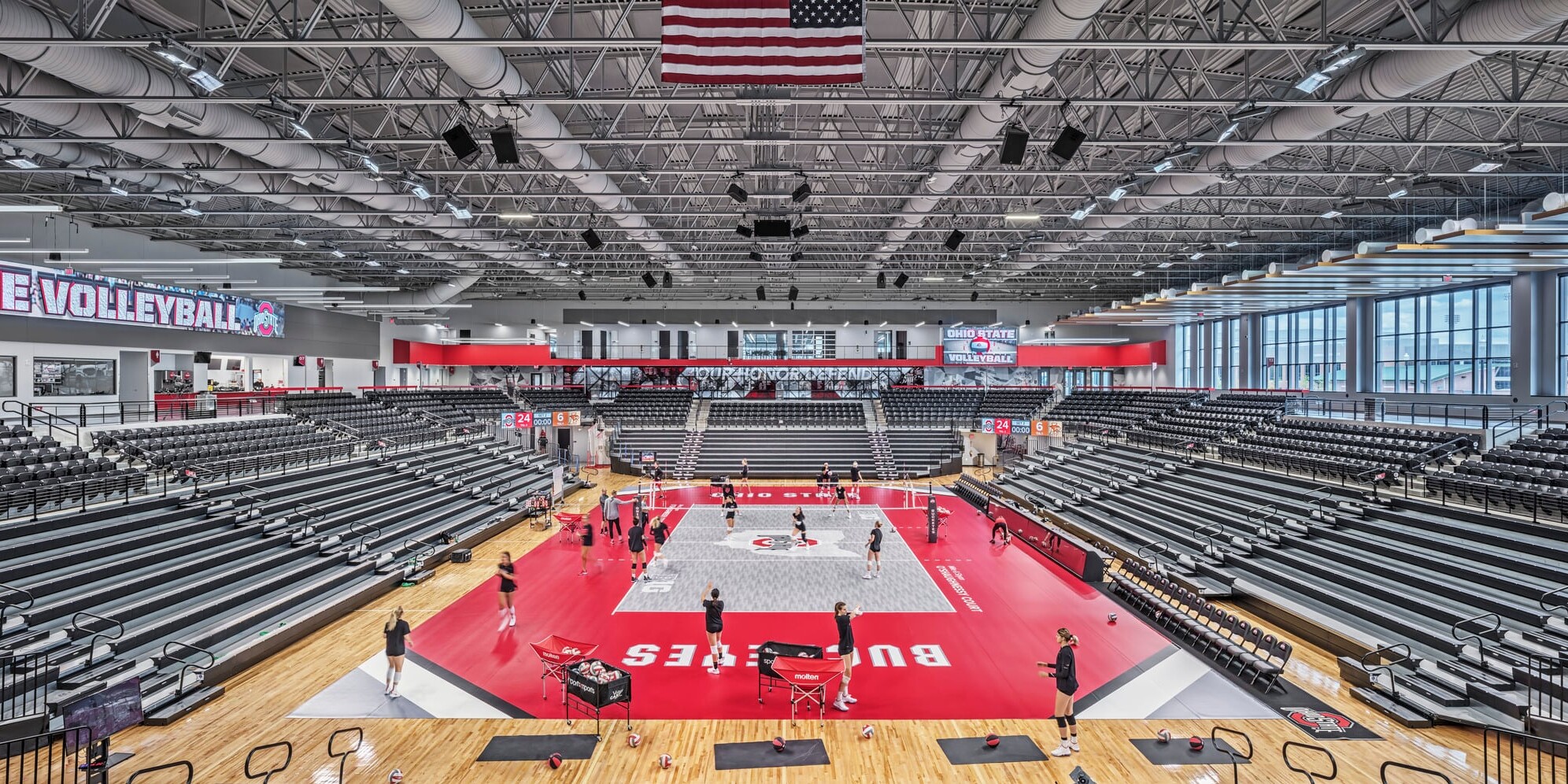
Fans help shape whether athletics feel visible, valued, and worth gathering around. When a facility supports the full spectator experience, from arrival and wayfinding to seating, sightlines, concessions, and post-game connection, women’s sports can feel like a central event rather than an afterthought. A stronger fan experience builds atmosphere over time, turning attendance into energy, tradition, and visible community support.
Women’s sports audiences have grown faster than the facilities serving them. These events are drawing larger, more diverse crowds—including families, younger fans, and first-time spectators. However, many current venues weren’t built for today’s fan demographics, resulting in a shortage of restroom capacity, family amenities, and accessible seating. To keep pace, new facility designs and renovations must prioritize expanded restroom fixture counts, an increase in dedicated family restrooms, and more integrated, accessible seating options.
The rapid growth of women’s sports calls for facilities able to grow with it. Intentional design can help institutions move beyond compliance and respond to the full experience of female athletes. As the landscape continues to change, athletic environments can turn today’s momentum into lasting equity.